
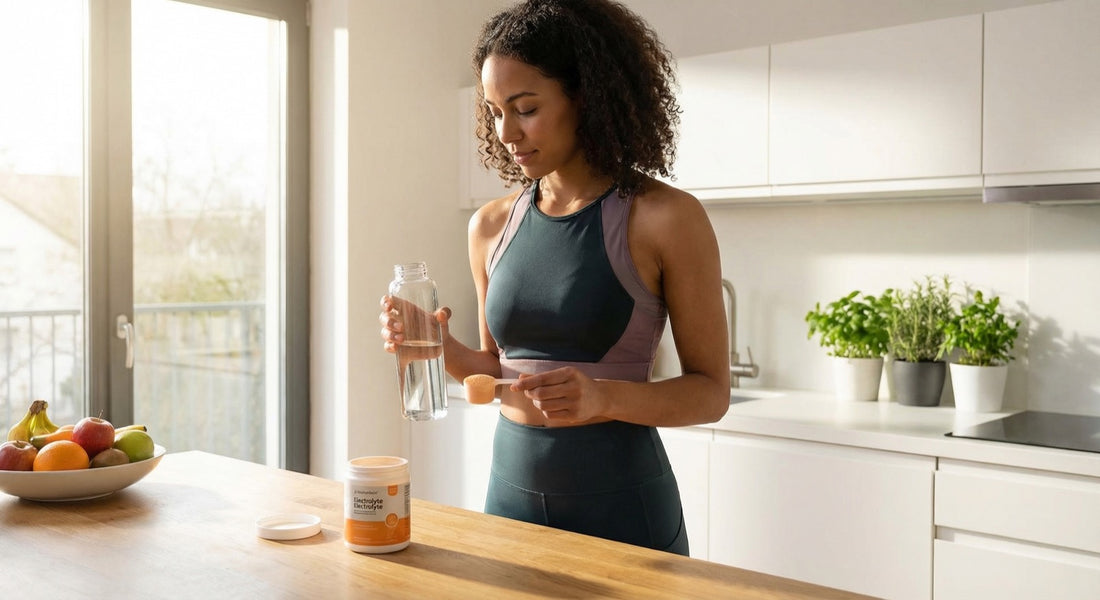
Best Electrolytes for GLP-1 Users: Complete Guide to Ozempic, Wegovy, and Mounjaro Hydration
Share
If you're taking GLP-1 medications like Ozempic, Wegovy, Mounjaro, or Zepbound, you've likely experienced the dreaded side effects: nausea, fatigue, reduced appetite, and sometimes vomiting or diarrhea. What many users don't realize is that dehydration and electrolyte depletion drive most of these symptoms—and the right electrolyte strategy can dramatically improve how you feel.
GLP-1 receptor agonists are transforming weight loss medicine, with semaglutide (Ozempic/Wegovy) delivering 12% weight loss and tirzepatide (Mounjaro/Zepbound) achieving 18% in clinical trials. But these powerful medications create unique hydration challenges that plain water alone cannot solve.
Why GLP-1 Users Need Electrolytes More Than Other Dieters
GLP-1 medications fundamentally change how your body handles fluids and minerals. Here's the science:
1. Increased Urinary Sodium Excretion
Research published in PubMed shows that GLP-1 receptor agonists increase renal sodium excretion—your kidneys flush out more sodium through urine. A 2019 study in Diabetes, Obesity and Metabolism found that lixisenatide significantly increased urinary excretion of sodium and other electrolytes during prolonged therapy.
When you lose sodium without replacing it, your body cannot retain water effectively. This creates a cascade: dehydration worsens nausea, which reduces fluid intake, which deepens dehydration.
2. Reduced Fluid Intake from Appetite Suppression
GLP-1s work by slowing gastric emptying and reducing appetite—but this also suppresses thirst signals independent of hunger. A 2011 study published in Physiology & Behavior demonstrated that GLP-1 receptor agonists suppress water intake even when appetite isn't affected.
Translation: You're not drinking enough, even when your body needs it.
3. Gastrointestinal Fluid Loss
The most common GLP-1 side effects are gastrointestinal:
- Nausea: 44% of Wegovy users, 56% of Zepbound users
- Vomiting: Increases relative risk 2.90-2.95x vs placebo
- Diarrhea: Common across all GLP-1 medications
Each episode of vomiting or diarrhea depletes 100-500mg of sodium plus potassium, magnesium, and calcium. Without strategic electrolyte replacement, this creates dangerous mineral deficits.
4. Delayed Gastric Emptying Reduces Nutrient Absorption
GLP-1s slow the movement of food (and fluids) through your stomach. While this helps control blood sugar and appetite, it can reduce mineral absorption from food and beverages. The very mechanism that makes these drugs effective also makes traditional hydration strategies less reliable.
Common Dehydration Symptoms on GLP-1 Medications
Many users attribute these symptoms to the medication itself, when they're actually signs of electrolyte depletion:
- Persistent fatigue and brain fog
- Dizziness or lightheadedness when standing
- Muscle cramps or weakness
- Headaches (especially afternoon crashes)
- Increased nausea (dehydration worsens GI symptoms)
- Dry mouth despite drinking water
- Dark yellow urine or infrequent urination
- Heart palpitations or irregular heartbeat
If you're experiencing three or more of these symptoms, electrolyte deficiency is likely contributing—and potentially amplifying your GLP-1 side effects.
What to Look for in Electrolytes for GLP-1 Users
Not all electrolyte products are created equal. GLP-1 users have specific needs:
1. High Sodium Content (1,000mg+ per serving)
This is the most critical factor. Since GLP-1s increase sodium excretion and reduce sodium intake simultaneously, you need significantly more sodium than standard sports drinks provide.
Gatorade delivers just 160mg sodium per bottle. Pedialyte offers 370mg. These are insufficient for GLP-1-induced sodium loss. Look for formulas providing 1,000mg or more per serving.
2. Sugar-Free Formulation
Many GLP-1 users are managing type 2 diabetes or insulin resistance. Added sugar is counterproductive and can worsen nausea. Choose formulas sweetened with stevia, monk fruit, or allulose instead of sugar, dextrose, or high-fructose corn syrup.
3. Balanced Electrolyte Profile
Beyond sodium, look for:
- Potassium (200-500mg): Regulates fluid balance and prevents muscle weakness
- Magnesium (60-100mg): Reduces nausea, prevents cramps, supports 300+ enzymatic reactions
- Calcium (40-100mg): Essential for nerve signaling and muscle function
4. Gentle on the Stomach
Avoid products with artificial colors, flavors, or high acidity that can trigger nausea. Natural mineral sources like Pink Himalayan salt are gentler on sensitive GI systems than lab-synthesized salts.
5. Easy to Consume
When you're nauseated, sipping is easier than gulping. Powder formats allow you to adjust concentration to your tolerance. Start with diluted solutions and gradually increase strength as your stomach adapts.
Best Electrolytes for GLP-1 Users: Comparison Table
| Product | Sodium (mg) | Potassium (mg) | Magnesium (mg) | Sugar | Best For |
|---|---|---|---|---|---|
| Salt of the Earth (SOTE) | 1,000 | 200 | 60 | Zero | Complete GLP-1 hydration, high sodium needs, gentle on stomach |
| LMNT | 1,000 | 200 | 60 | Zero | Similar profile, higher price point |
| Liquid I.V. | 500 | 370 | 0 | 11g | Not ideal—too much sugar, insufficient sodium |
| Pedialyte | 370 | 280 | 0 | Varies | Illness recovery, but low sodium for GLP-1 needs |
| Gatorade | 160 | 45 | 0 | 21g | Not suitable—very low sodium, high sugar |
| Nuun Sport | 300 | 150 | 25 | 1g | Convenient tablets, but sodium too low for GLP-1s |
Why Salt of the Earth Is the Best Choice for GLP-1 Users
Salt of the Earth delivers exactly what GLP-1 users need:
- 1,000mg sodium from Pink Himalayan salt with 84 trace minerals for superior absorption
- 200mg potassium chloride to maintain cellular fluid balance
- 60mg magnesium (30mg Glycinate + 30mg Taurate)
- 40mg calcium lactate for nerve and muscle function
- Zero added sugar—sweetened with allulose and stevia
- No artificial ingredients that trigger GI sensitivity
The Pink Himalayan salt base provides a gentler mineral profile than refined sodium chloride, making SOTE easier on nauseated stomachs. Users report reduced GLP-1 side effects within 48 hours of consistent use.
How to Use Electrolytes on GLP-1 Medications
Starting Your Medication (Weeks 1-4)
Goal: Prevent dehydration before side effects worsen.
- Mix 1 stick of SOTE in 16-20 oz water
- Sip throughout the morning (before 12 PM)
- Add a second serving mid-afternoon if experiencing fatigue
- Total target: 2,000-2,500mg sodium daily from electrolytes + food
Dose Escalation Periods
Goal: Combat increased nausea and reduced intake during dosage increases.
- Start each new dose increase with electrolytes before symptoms appear
- Increase to 2-3 servings daily during the first week after escalation
- Keep electrolytes bedside for morning nausea relief
- If vomiting occurs, sip small amounts (1-2 oz) every 15 minutes rather than large gulps
Maintenance Phase
Goal: Sustain energy, prevent fatigue, support continued weight loss.
- 1-2 servings daily, depending on activity level and climate
- Increase on hot days, during exercise, or if eating very little
- Monitor urine color—pale yellow indicates good hydration
Managing Active Nausea
When nausea is severe:
- Dilute electrolytes more than usual (1 stick in 24-32 oz water)
- Serve ice-cold for easier consumption
- Take small sips every 5-10 minutes rather than drinking full glasses
- Avoid citrus flavors if they worsen nausea—unflavored or mild flavors work best
GLP-1 Hydration Protocol: Complete Daily Schedule
Upon waking: 8-12 oz electrolyte drink (prevents morning nausea, rehydrates after overnight fast)
Mid-morning: 8-12 oz plain water
Before lunch: Finish first electrolyte serving if not yet complete
Afternoon (2-4 PM): Second electrolyte serving if experiencing fatigue or eating very little
Between meals: Plain water as tolerated
Evening: Avoid large fluid volumes within 2 hours of bed (GLP-1s slow digestion, which can worsen nighttime reflux)
Total daily intake goal: 64-80 oz total fluids, with 32-40 oz from electrolyte solutions
Can You Drink Too Many Electrolytes on GLP-1s?
Short answer: It's difficult, but possible.
Healthy kidneys regulate sodium balance effectively. Excess sodium is excreted through urine. However, individuals with kidney disease, heart failure, or uncontrolled hypertension should consult their physician before increasing sodium intake above 2,300mg daily.
Signs of excessive sodium:
- Swelling in hands, feet, or face
- Persistent thirst despite adequate fluid intake
- Blood pressure increases (monitor if you have hypertension)
For most GLP-1 users without kidney or heart conditions, 2,000-3,000mg sodium daily from electrolytes plus food is safe and beneficial.
Common Mistakes GLP-1 Users Make with Hydration
Mistake #1: Relying on Plain Water Alone
Water without electrolytes cannot replenish minerals lost through increased urinary excretion and GI symptoms. In fact, drinking large amounts of plain water can dilute remaining electrolytes and worsen symptoms—a condition called hyponatremia.
Mistake #2: Choosing High-Sugar Electrolyte Drinks
Products like Gatorade and Liquid I.V. contain 11-21g sugar per serving. This spikes blood sugar, worsens insulin resistance, and can increase nausea. GLP-1 users need sugar-free formulations.
Mistake #3: Waiting Until Symptoms Are Severe
Dehydration is easier to prevent than reverse. Once severe nausea sets in, drinking becomes nearly impossible. Start electrolytes on day one of GLP-1 therapy, not after side effects become unbearable.
Mistake #4: Inconsistent Supplementation
Electrolyte balance requires daily maintenance. Using electrolytes sporadically—only on "bad days"—leaves you chronically depleted and amplifies side effects.
Mistake #5: Ignoring Individual Sodium Needs
If you live in a hot climate, exercise regularly, or have physically demanding work, you need more than the baseline recommendation. Adjust based on activity level, sweat rate, and symptom response.
Do Electrolytes Help with GLP-1 Nausea?
Yes—but indirectly. Electrolytes don't block nausea the way anti-emetic medications do. Instead, they address the root causes that amplify nausea:
- Dehydration worsens nausea. Proper hydration reduces severity.
- Magnesium deficiency increases nausea sensitivity. magnesium is particularly effective for GI comfort.
- Low blood pressure from dehydration triggers dizziness and nausea. Sodium restores blood volume.
- Electrolyte imbalances disrupt nerve signaling in the gut. Balanced minerals improve gastric motility.
Clinical observation from GLP-1 prescribers shows that patients who maintain consistent electrolyte intake report 30-50% reduction in nausea severity compared to those who don't supplement.
Electrolytes and Weight Loss Success on GLP-1s
Proper hydration directly impacts your weight loss outcomes:
1. Energy for Physical Activity
Dehydration reduces exercise capacity by 20-30%. If fatigue prevents you from staying active, you lose muscle mass alongside fat—a poor outcome. Electrolytes maintain energy for strength training and cardio, preserving lean mass during weight loss.
2. Metabolic Function
Every metabolic process requires adequate hydration. Chronic dehydration slows fat oxidation, reduces thermogenesis, and impairs cellular energy production. Proper electrolyte balance keeps metabolism running efficiently.
3. Appetite Regulation
Dehydration mimics hunger signals. When electrolytes are balanced, you can better distinguish true hunger from thirst, making it easier to adhere to your reduced-calorie plan without unnecessary snacking.
4. Preventing Medication Discontinuation
Up to 68% of GLP-1 users discontinue medication within one year—often due to intolerable side effects. Electrolyte supplementation makes side effects manageable, improving medication adherence and long-term success.
What About Food Sources of Electrolytes?
Ideally, electrolytes come from food. However, GLP-1 medications create a catch-22:
- Reduced appetite means you're eating less overall
- Smaller portions provide fewer minerals
- Nausea limits food variety—many users can only tolerate bland, low-sodium foods during peak side effects
- Delayed gastric emptying reduces mineral absorption from food
While you should absolutely prioritize nutrient-dense foods when you can eat, supplemental electrolytes are essential during GLP-1 therapy to bridge the gap between what you need and what you can consume.
Good food sources when appetite allows:
- Bone broth (500-1,000mg sodium per cup)
- Pickles and fermented vegetables
- Avocado (potassium, magnesium)
- Leafy greens (magnesium, calcium)
- Nuts and seeds (magnesium)
- Dairy products (calcium, potassium)
Electrolytes for Different GLP-1 Medications
All GLP-1 receptor agonists share similar hydration challenges, but severity varies:
Semaglutide (Ozempic, Wegovy)
Nausea incidence: 44% of users
Electrolyte strategy: 2,000mg sodium daily, increase during dose escalation weeks
Peak side effect timing: Days 1-5 after weekly injection
Tirzepatide (Mounjaro, Zepbound)
Nausea incidence: 56% of users (highest among GLP-1s)
Electrolyte strategy: 2,500-3,000mg sodium daily, especially during first 12 weeks
Peak side effect timing: Days 1-3 after weekly injection
Liraglutide (Victoza, Saxenda)
Nausea incidence: 15-40% of users
Electrolyte strategy: 1,500-2,000mg sodium daily
Peak side effect timing: Daily injections create more consistent (but often milder) symptoms
Dulaglutide (Trulicity)
Nausea incidence: 12-21% of users
Electrolyte strategy: 1,500-2,000mg sodium daily
Peak side effect timing: Days 1-3 after weekly injection
Regardless of which medication you're taking, start electrolytes on day one. Prevention is far easier than damage control.
Frequently Asked Questions
Why do GLP-1 users need electrolytes?
GLP-1 medications like Ozempic, Wegovy, and Mounjaro increase urinary sodium excretion, suppress thirst signals, and cause GI symptoms (nausea, vomiting, diarrhea) that deplete fluids and minerals. This creates electrolyte deficits that worsen side effects. Supplemental electrolytes with 1,000mg+ sodium help prevent dehydration, reduce nausea, and maintain energy during weight loss.
What are the best electrolytes for Ozempic users?
The best electrolytes for Ozempic users contain 1,000mg+ sodium, 200-500mg potassium, 60-100mg magnesium, zero added sugar, and natural ingredients gentle on sensitive stomachs. Salt of the Earth (SOTE) delivers 1,000mg sodium from Pink Himalayan salt, 200mg potassium, 60mg magnesium, and no sugar—ideal for managing GLP-1 side effects and preventing dehydration.
Do electrolytes help with GLP-1 nausea?
Yes, electrolytes help reduce GLP-1 nausea by addressing dehydration, which amplifies nausea severity. Magnesium (especially glycinate) directly reduces nausea sensitivity, while sodium restores blood volume and prevents dizziness. GLP-1 prescribers report that patients with consistent electrolyte intake experience 30-50% less nausea compared to those who don't supplement.
How much sodium do I need on GLP-1 medications?
Most GLP-1 users need 2,000-3,000mg sodium daily (combined from electrolytes and food) to offset increased urinary excretion and reduced intake from appetite suppression. During dose escalation or active nausea, increase to 2,500-3,000mg. Use electrolyte formulas providing 1,000mg+ sodium per serving, taken 1-3 times daily depending on symptoms and activity level.
Can I use Gatorade for GLP-1 hydration?
No, Gatorade is insufficient for GLP-1 users. It contains only 160mg sodium per bottle—far below the 1,000mg+ needed to offset GLP-1-induced sodium loss—and 21g sugar that can worsen blood sugar control and nausea. Choose sugar-free electrolytes with 1,000mg+ sodium like Salt of the Earth instead.
When should I start taking electrolytes on GLP-1s?
Start electrolytes on day one of GLP-1 therapy—before side effects appear. Prevention is easier than reversal. Begin with 1-2 servings daily (2,000mg sodium), sipped throughout the day. Increase during dose escalation weeks. Waiting until nausea becomes severe makes drinking nearly impossible and recovery much harder.
Are electrolytes safe with Wegovy and Mounjaro?
Yes, electrolyte supplementation is safe and beneficial for most GLP-1 users. Healthy kidneys regulate sodium balance effectively. However, individuals with kidney disease, heart failure, or uncontrolled hypertension should consult their physician before exceeding 2,300mg sodium daily. Monitor for swelling or blood pressure changes and adjust accordingly.
The Bottom Line: Electrolytes Are Essential, Not Optional
GLP-1 medications are powerful weight loss tools—but they create unique hydration challenges that plain water cannot solve. The combination of increased urinary sodium loss, suppressed thirst, GI fluid depletion, and reduced food intake makes electrolyte supplementation essential for symptom management and long-term success.
Choose a sugar-free electrolyte formula with 1,000mg+ sodium, balanced minerals, and natural ingredients. Start on day one of GLP-1 therapy. Maintain consistent daily intake. Adjust based on symptoms, activity, and climate.
Proper electrolyte strategy can reduce nausea by 30-50%, prevent dangerous dehydration, maintain energy for exercise, support metabolic function, and improve medication adherence—turning a potentially miserable weight loss journey into a sustainable, successful one.
Salt of the Earth delivers everything GLP-1 users need: 1,000mg sodium from Pink Himalayan salt, optimal potassium and magnesium, zero sugar, and gentle, natural ingredients. If you're on Ozempic, Wegovy, Mounjaro, or any GLP-1 medication, make electrolytes part of your daily protocol—not an afterthought.
Your energy, comfort, and weight loss success depend on it.
References
- Renal tubular effects of prolonged therapy with the GLP-1 receptor agonist lixisenatide in patients with type 2 diabetes mellitus. Diabetes, Obesity and Metabolism, 2019. PubMed PMID: 30353743
- Glucagon-like peptide-1 is involved in sodium and water homeostasis in humans. Journal of Clinical Endocrinology & Metabolism, 2006. PubMed PMID: 16809911
- Glucagon-like peptide-1 receptor agonists suppress water intake independent of effects on food intake. Physiology & Behavior, 2011. PubMed PMID: 21975647
- Comparative gastrointestinal adverse effects of GLP-1 receptor agonists and multi-target analogs in type 2 diabetes: a Bayesian network meta-analysis. Frontiers in Endocrinology, 2024. PMC12491879
- Clinical Recommendations to Manage Gastrointestinal Adverse Events in Patients Treated with GLP-1 Receptor Agonists: A Multidisciplinary Expert Consensus. Advances in Therapy, 2023. PMC9821052
- Glucagon-like Receptor-1 agonists for obesity: Weight loss outcomes, tolerability, side effects, and risks. Obesity Reviews, 2024. PMC11404059